Pet Stain Odour Removal in E1
If you live or work in East London and you are dealing with stubborn pet accidents, lingering smells, or marks that keep coming back after cleaning, Pet Stain Odour Removal in E1 is a service designed for exactly that problem. Pet urine, vomit, faeces, and general pet mess can sink deep into carpets, rugs, underlay, upholstery, and even floor edges, leaving an odour that household cleaning products rarely solve properly. For homes and businesses in E1, where properties range from compact flats and converted warehouses to busy offices and retail spaces, a local specialist approach can make a noticeable difference.
Whether the issue is a single accident from a new puppy, repeated marking from an older pet, or smells trapped in a rental property between tenancies, the goal is the same: remove the stain, neutralise the odour, and restore the room so it feels clean again. That means treating the source of the smell, not just masking it. If you are looking for practical help, a local service can assess the material, determine how far the contamination has spread, and choose the right process for your flooring or furnishings.
In E1, time matters. The longer pet accidents sit untreated, the more likely they are to soak into the backing of carpets, seep into grout or timber edges, and create persistent smells that become obvious on warm days or when the heating is on. A professional treatment helps you deal with the problem efficiently and with less disruption to the rest of the property. Contact us today if you need a sensible, local solution for pet stain and odour issues in your home, rental, office, or commercial premises.
Why Pet Stain and Odour Problems Are So Common in E1
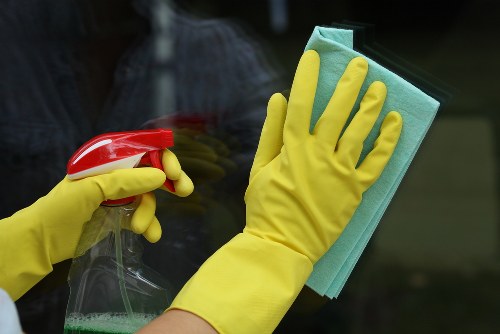
E1 is a busy part of London with a wide mix of housing and commercial spaces, and that variety creates different cleaning challenges. Many properties here have carpeted bedrooms, hallways, and staircases; others have hard flooring with rugs, soft furnishings, or upholstered seating that can still absorb pet accidents. In compact homes, smells can seem stronger because rooms are smaller and air circulation may be limited. In larger buildings, pets may have access to multiple floors, making it harder to track where the issue started.
Pet accidents also happen more often than many owners expect. Changes in routine, excitement, illness, marking behaviour, age-related issues, and stress can all contribute. When a pet keeps returning to the same spot, the odour can build up beneath the visible stain. If a room has been cleaned with ordinary detergent or fragrance sprays, the smell may fade briefly and then return. That is a clear sign that the source remains in the fabric or flooring beneath the surface.
For local landlords, letting agents, and business owners, this can become more than just a nuisance. A strong pet odour can affect how a property is viewed, how comfortable staff and visitors feel, and how quickly a space can be handed over after occupancy. That is why targeted pet stain odour removal in E1 is often the most practical option when a deep, thorough result is needed.
What Our Pet Stain Odour Removal Service Covers

This service is built to handle the kinds of pet-related contamination that commonly affect carpets, rugs, upholstery, and fabric surfaces. It is suitable for a one-off accident as well as more established odour problems. Depending on the material and the severity of the issue, the process may include inspection, stain treatment, odour neutralisation, deep cleaning, and drying support.
Typical problem areas include:
- Carpets in living rooms, bedrooms, hallways, and stairs
- Area rugs and runners
- Sofas, armchairs, and other upholstered furniture
- Mattresses and fabric headboards
- Pet bedding and soft furnishings
- Small commercial seating areas and waiting rooms
- Rental property flooring affected by repeated accidents
In many cases, the aim is not only to lift visible staining but also to remove the bacteria and residues that create the smell. This matters because odour is often produced by what remains after the liquid has dried. If the contamination has reached deep into the underlay or padding, the treatment needs to go further than a standard surface clean. That is where an experienced local team can advise on the most appropriate approach.
How the Service Works
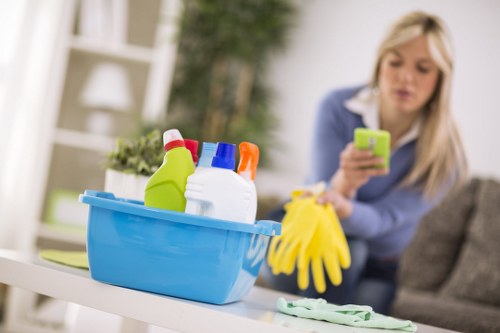
A proper pet stain and odour treatment starts with inspection. The technician looks at the affected area, identifies the type of surface, and checks whether the problem is on the top layer only or has travelled into the backing and underlay. This step is important because the same stain can behave very differently on wool carpet, synthetic carpet, microfiber upholstery, or porous materials.
Once the source and extent of the problem are understood, the area can be pre-treated. This may involve breaking down organic residues, lifting staining agents, and applying an odour-neutralising solution designed to target pet contamination. In some cases, more than one application is needed, especially if the odour is older or if the same spot has been soiled multiple times.
After treatment, deep cleaning methods may be used to flush out loosened residue and help leave the surface fresher. Drying is also an important part of the process. Rooms in E1 apartments, maisonettes, and office buildings may have limited ventilation, so it helps to plan for airflow and access to reduce drying time. If required, advice can be given on how to keep the area protected while it finishes drying.
What makes the process effective?
It targets the cause, not the symptom. Fragrances only hide smells for a short time. Cleaning alone may not be enough if urine crystals or other organic matter remain deep in the fibres. A professional process focuses on breaking down the source, removing residue, and treating odour at its origin.
Local Property Types We Commonly Work With in E1
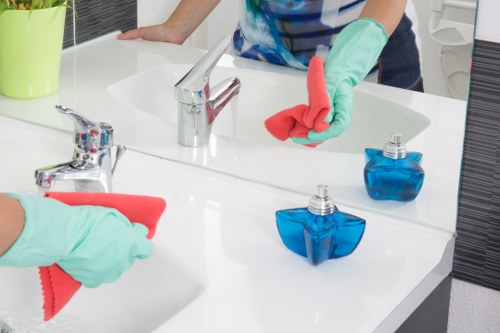
E1 includes a wide mix of property styles, and each one brings different access and cleaning considerations. Many customers contact us from compact flats near Whitechapel, Aldgate, and Shadwell, where stair access, limited lift space, and narrow hallways can make moving equipment more awkward. Others need help in converted buildings, townhouses, and mixed-use premises where floors and wall coverings may vary from room to room.
Commercial properties are also common in this part of London. Offices, clinics, salons, small retail spaces, and hospitality venues can all experience pet-related contamination, especially where staff bring pets occasionally, where service animals are present, or where previous occupants have left behind odours. In these cases, quick and discreet treatment can help bring the area back into normal use with less disruption.
For landlords and managing agents, pet stain odour removal can be especially useful between tenancies. A tenant may have cleaned the visible stain, yet the smell can remain hidden in carpet fibres or underlay. That can affect viewings, the next occupant’s impression, and the overall condition of the property. Local knowledge is useful here because an E1-based service understands the practical realities of working in occupied buildings, controlled access blocks, and properties with parking or unloading limitations.
Examples of E1 settings where this service helps
- Basement flats with limited ventilation
- Upper-floor apartments with narrow stair access
- Shared houses with high-traffic carpeted areas
- Rental flats preparing for new tenants
- Small offices with fabric chairs or meeting-room carpets
- Ground-floor premises with frequent customer footfall
Benefits of Choosing a Local E1 Specialist

Choosing a local service for pet stain odour removal in E1 has several practical benefits. First, it means shorter travel time and easier scheduling. If you are dealing with an urgent odour before guests arrive, before a tenancy check-in, or before a property viewing, a local team is better placed to respond quickly and work around your schedule.
Second, a local specialist is more familiar with the types of properties found across East London. That includes older buildings with mixed flooring, newer developments with building access rules, and high-density residential blocks where parking and loading are not straightforward. Knowing how to work in these environments can save time and reduce disruption. It can also make the visit smoother for you, your neighbours, and any building management team involved.
Third, local customers often value straightforward communication. You want a service that explains what can be done, what may need extra attention, and how long the room should be left before normal use resumes. This type of clear, practical support helps you make the right choice without guesswork.
Why nearby experience matters
In E1, parking restrictions, controlled access, busy streets, and limited loading areas can all affect service calls. A nearby technician is more likely to plan around these realities. That means better punctuality, more efficient visits, and less hassle on the day of the appointment.
What Is Included in a Pet Stain and Odour Treatment?
Every property is different, so the exact work depends on the material, the age of the stain, and the level of odour present. However, a typical service usually includes a combination of assessment, pre-treatment, deep cleaning, and odour control. In some cases, spot treatment is enough. In others, a broader clean is needed to help the surrounding area blend properly and avoid visible patchiness.
A standard treatment may include:
- Inspection of the affected area and surrounding material
- Identification of stain type and likely depth of penetration
- Pre-treatment to loosen organic residue
- Application of odour-neutralising products
- Deep cleaning or extraction where suitable
- Attention to edges, corners, and hidden fibres
- Advice on drying, ventilation, and aftercare
In many homes, the difference between a short-term improvement and a lasting result is how carefully the source is treated. If the stain has travelled beneath the surface, leaving it partially untreated can allow the smell to return. A thorough approach is therefore essential when you want the room to feel properly fresh again.
Common Pet Stain and Odour Issues We Help Solve
Pet mess comes in many forms, and not all of it is visible. A clean-looking carpet can still hold a strong smell if the accident soaked in deeply. Likewise, a small stain on a sofa can turn into a bigger odour issue if it was left for several hours or cleaned with unsuitable products. The most common situations include urine spots, repeated marking, vomit stains, and damp areas where odour has settled into fibres.
Some pet owners also deal with older contamination from a previous animal. This is especially common in rentals and purchased properties where the carpet, underlay, or soft furnishings were not fully replaced. In those situations, a fresh clean may not be enough unless the hidden residue is removed first. If you have noticed a smell that returns after vacuuming or re-cleaning, the problem is likely deeper than the surface.
We also see cases where the issue is spread across several rooms. For example, a dog may have had access to a hallway, a bedroom, and a sitting room, leaving multiple spots that all need attention. In these cases, it helps to treat each area properly while keeping the overall appearance consistent across the property.
Signs you may need professional help
- The smell gets stronger when the room is warm
- The same spot smells again after cleaning
- There is a yellow, dark, or damp-looking patch
- Your pet keeps returning to one area
- A guest, tenant, or colleague has commented on the odour
- Household products have not made a lasting difference
Preparation Checklist Before Your Appointment
Getting ready for a pet stain odour treatment does not need to be complicated. A few simple steps can help the visit go smoothly and make it easier for the technician to focus on the affected area. If you are in a flat or shared building in E1, it is also helpful to think about access, lift use, parking, and any entry requirements before the appointment day.
Helpful preparation steps:
- Remove small items, toys, and loose clutter from the area
- Move light furniture if you are able to do so safely
- Keep pets away from the treatment area
- Point out the exact stain locations, including any older spots
- Share any information about the flooring or previous cleaning products used
- Arrange building access or parking permissions if needed
If the stain is on an item such as a sofa cushion or mattress, it can help to explain how old the problem is and whether it has been cleaned before. That information can influence the chosen process and help avoid unnecessary delay. Clear access and clear information are often the quickest route to a better result.
Pricing Factors for Pet Stain Odour Removal
Customers often want to know what affects the cost of pet stain and odour removal, and it is a fair question. Exact prices vary because no two jobs are the same. The size of the affected area, the type of material, how deep the contamination has gone, and whether one room or several rooms need treatment all influence the work involved.
Common pricing factors include:
- Room size and number of affected areas
- Whether the treatment is for carpet, upholstery, mattress, or rug
- How old the stain and odour are
- Whether the contamination has reached underlay or padding
- Level of access, including stairs, lifts, and parking restrictions
- Any need for repeat treatment or extra drying time
A reputable local company will usually explain what is needed after inspection, rather than giving a vague estimate without seeing the issue. That is especially useful in E1, where access and property layouts can vary widely. If you are comparing options, ask what is actually included in the treatment, how the odour is tackled, and whether spot treatment alone will be sufficient for your situation. Request a free quote when you are ready to discuss your property and the work involved.
Residential Customers in E1
For households, pet stain and odour problems can affect everyday comfort. A smell in the hallway or living room can make a home feel less relaxing, even if the rest of the property is tidy. Families, singles, couples, and shared households all face the same practical issue: once pet odour becomes embedded, regular cleaning often stops being enough.
In residential properties, customers often want treatment for carpets in living spaces, stairs, bedrooms, and hallways. Upholstery is also common, especially in homes where pets sleep on sofas or chairs. In smaller E1 flats, where rooms may be open-plan or closely connected, one contaminated area can affect the whole property more quickly. That makes prompt treatment worthwhile.
If you rent your home, you may also want to solve the issue before an inspection or end-of-tenancy check. If you own your property, you may simply want the peace of mind that comes from a fresher, cleaner room. Either way, the aim is to make the property feel comfortable again without unnecessary disruption.
Commercial Customers in E1
Commercial spaces need a different kind of attention because odours can affect staff, visitors, clients, or customers. In offices, meeting rooms, reception areas, and small business premises, even a mild pet smell can be distracting or off-putting. The same is true for salons, clinics, shops, and hospitality spaces where presentation matters.
Businesses in E1 also tend to prefer a service that works efficiently and respectfully around opening hours, access restrictions, and shared buildings. A local team can often plan visits more conveniently and help reduce downtime. Where possible, treatments can be arranged to minimise disruption so the space can return to normal use as soon as practical.
For business owners, the key benefit is simple: a fresher environment creates a better experience for everyone who enters the premises. If a pet accident has happened in a customer area or staff space, book your service now so the problem does not continue to affect the workplace.
Areas Covered Around E1
Customers looking for pet stain odour removal in E1 are often based in or around the wider East London area. Local work commonly includes nearby neighbourhoods and districts where similar property types and access conditions are found. This can include residential streets, busy commercial zones, and mixed-use buildings across the area.
Nearby areas may include:
- Whitechapel
- Aldgate
- Shadwell
- Stepney
- Spitalfields
- Limehouse
- Wapping
- Bethnal Green edges
Because local buildings can differ so much, an experienced team is useful when there are stair-only access points, restricted parking, shared entrances, or time limits for service visits. If you are unsure whether your address can be covered, it is best to enquire and describe the property rather than assuming the job is too small or too difficult.
FAQs
How quickly should pet stains be treated?
The sooner the better. Fresh stains are much easier to remove than dried-in accidents, especially if the liquid has reached the carpet backing or underlay. Fast action can reduce the chance of lingering odours and permanent marking.
Can you remove old pet odours?
Yes, older odours can often be improved significantly, though the exact result depends on the surface, the age of the contamination, and how deeply it has penetrated. A full inspection helps determine the best approach.
Will the smell come back after cleaning?
It can return if only the surface was cleaned and the source remains underneath. That is why proper treatment focuses on both visible staining and hidden residue. Thorough odour neutralisation is important for a lasting result.
Do I need to move furniture?
Light items can often be moved beforehand if it is safe to do so, but bulky or heavy furniture should usually be discussed in advance. The technician can advise what is needed based on the affected area.
Is this suitable for carpets and upholstery?
Yes. Pet stain and odour removal can be adapted for carpets, rugs, sofas, chairs, mattresses, and similar fabrics, provided the material is suitable for treatment. Different fabrics need different handling.
How long does drying take?
Drying time varies depending on the material, treatment used, airflow, and room conditions. Homes and buildings with limited ventilation may need a bit longer, so it is useful to plan ahead and keep the area accessible after cleaning.
Why a Professional Result Matters
Pet problems can be frustrating because they often seem small at first, then become harder to ignore. A stain may look minor, but the smell can spread through the room and settle into soft furnishings. Professional treatment matters because it combines the right products, the right method, and the right attention to detail. That is especially important if you are trying to make a property feel genuinely clean again rather than just more fragrant for a short time.
For local customers in E1, the value of using a specialist is also practical. You save time, reduce trial-and-error with over-the-counter products, and get clearer advice about what is possible. In some cases, a single treatment can solve the issue. In others, the technician may explain that the contamination is extensive and requires a more careful plan. Either way, you benefit from honest, informed support.
If your property has a pet stain or odour issue that is affecting comfort, presentation, or day-to-day use, now is a good time to act. Contact us today to discuss the problem, ask about the right treatment, and arrange a convenient visit for your E1 property.
What you can expect from a local service visit
- A clear look at the affected area
- Advice based on the material and contamination level
- Practical treatment for stains and odours
- Respect for your property and access needs
- Useful aftercare guidance