Health and Safety Policy for Cleaners E1
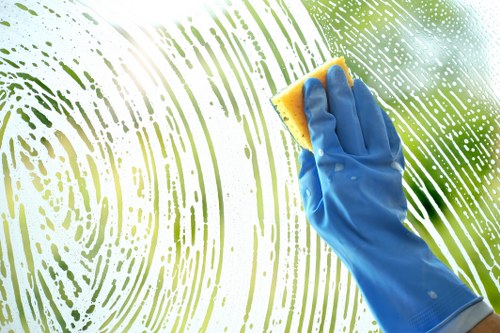 Health and safety for cleaners in E1 is a core part of delivering reliable, professional cleaning services while protecting staff, clients, and anyone who may be affected by cleaning activities. This policy sets out the standards expected across routine, commercial, and specialist cleaning tasks. It applies to all cleaning operatives, supervisors, and anyone supporting cleaner safety during day-to-day work.
The aim is to reduce risks by planning work properly, using suitable equipment, and maintaining safe systems of work. A careful approach helps control hazards such as slips, chemical exposure, manual handling strain, sharp objects, and lone working. Every cleaner should understand the importance of following procedures, wearing the correct protective equipment, and reporting concerns promptly.
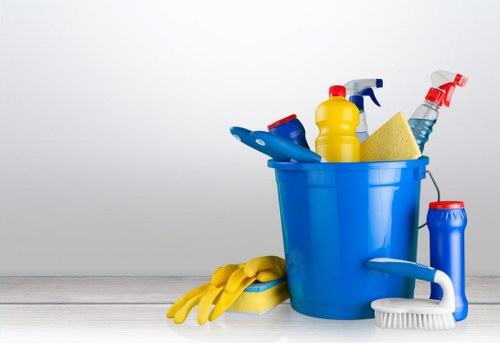 Cleaners health and safety depends on preparation, awareness, and consistent practice. Before starting work, operatives should assess the area for visible hazards, check whether surfaces are wet or obstructed, and confirm that the right products and tools are available. If a task cannot be completed safely, it must be paused until the issue is resolved.
Safe cleaning begins with training. All staff should receive instruction on safe use of chemicals, correct dilution methods, equipment handling, waste segregation, and emergency response. Refresher training should be provided when procedures change or when new equipment is introduced. Training helps ensure that cleaning health and safety policy requirements are understood and followed in practice.
Personal protective equipment, or PPE, must be chosen according to the task. This may include gloves, eye protection, aprons, masks, or slip-resistant footwear. PPE should be clean, in good condition, and replaced when damaged or unsuitable. Where chemicals are used, the product label and safety information must be read before use. Never mix substances unless the instructions specifically allow it.
 Supervision is an important part of maintaining safe standards. Managers and team leaders should monitor work practices, confirm that equipment is maintained, and make sure that hazards are acted on quickly. They should also encourage staff to speak up about near misses, unsafe conditions, or workload pressures that may increase risk. A strong safety culture supports both quality and wellbeing.
Manual handling is another key concern in cleaning operations. Lifting heavy bins, moving furniture, carrying water containers, and transporting equipment can all lead to injury if done incorrectly. Cleaners should use mechanical aids where possible, plan the route before moving items, and ask for assistance with awkward or bulky loads. Good posture and controlled movements reduce the chance of strain.
Slips, trips, and falls are among the most common risks in cleaning work. Floors may be damp, cluttered, or recently treated with products that make surfaces slippery. Warning signs should be used where appropriate, and cleaned areas should be left safe for others to pass through. Cables, hoses, and stored materials should be arranged to avoid creating obstacles. Safe cleaner procedures also include keeping walkways clear and maintaining good housekeeping.
Special care is required when working with chemicals. Products should be stored securely, labelled correctly, and kept away from incompatible materials. Spill kits or absorbent materials should be available where needed. If a product causes irritation or contact with the eyes or skin, immediate first aid measures must be followed and the incident reported. Ventilation should be used where necessary to reduce exposure to fumes.
Equipment safety is equally important. Vacuum cleaners, floor machines, steam units, and other powered tools must be inspected before use and maintained in good working order. Faulty equipment should be taken out of service immediately. Cables should be checked for wear, plugs should be secure, and only trained staff should operate specialised machinery. This reduces the chance of electric shock, burns, or mechanical injury.
Lone working may be part of some cleaning schedules, so additional controls are needed. Staff should know the start and finish procedure for shifts, how to raise an alert, and what to do if they feel unsafe or unwell. Reasonable timeframes, regular check-ins, and clear task planning help protect cleaners working independently. Where risk levels are higher, two-person working or increased supervision should be considered.
 Waste handling should also be managed carefully. Sharp objects, contaminated materials, and general waste must be separated where required and disposed of using appropriate containers. Staff should never compress rubbish with hands or feet. If broken glass, needles, or other hazardous items are found, they must be reported and handled using the correct tools and procedures. This is an essential part of a cleaning safety policy.
Emergency procedures must be known by all staff. Cleaners should understand what to do in the event of a fire alarm, spill, injury, or other incident. Accident reporting should happen as soon as possible, with details recorded accurately so that action can be taken. Learning from incidents helps improve future prevention and strengthens overall workplace safety.
Occupational health is also important. Repeated cleaning tasks can affect skin, breathing, and musculoskeletal health over time. Staff should be encouraged to take breaks, rotate tasks where possible, and use skin protection or ventilation controls when needed. Any symptoms linked to work, such as rashes, coughing, or persistent pain, should be reported without delay so that adjustments can be considered.
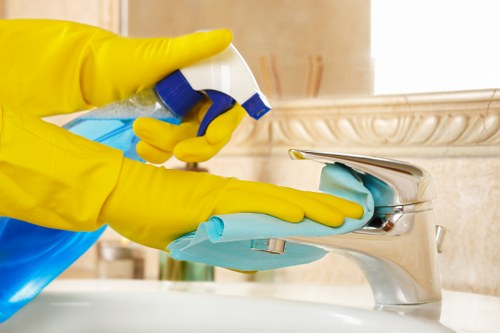 Ultimately, this cleaners E1 health and safety policy is about creating a safe, organised, and responsible working environment. By following training, using equipment properly, respecting control measures, and reporting hazards early, cleaning staff can carry out their duties effectively while minimising risk. Safe practice protects individuals, supports service quality, and helps ensure that every cleaning task is completed with confidence and care.